INFDEX
Turning influencer data into confident marketing decisions
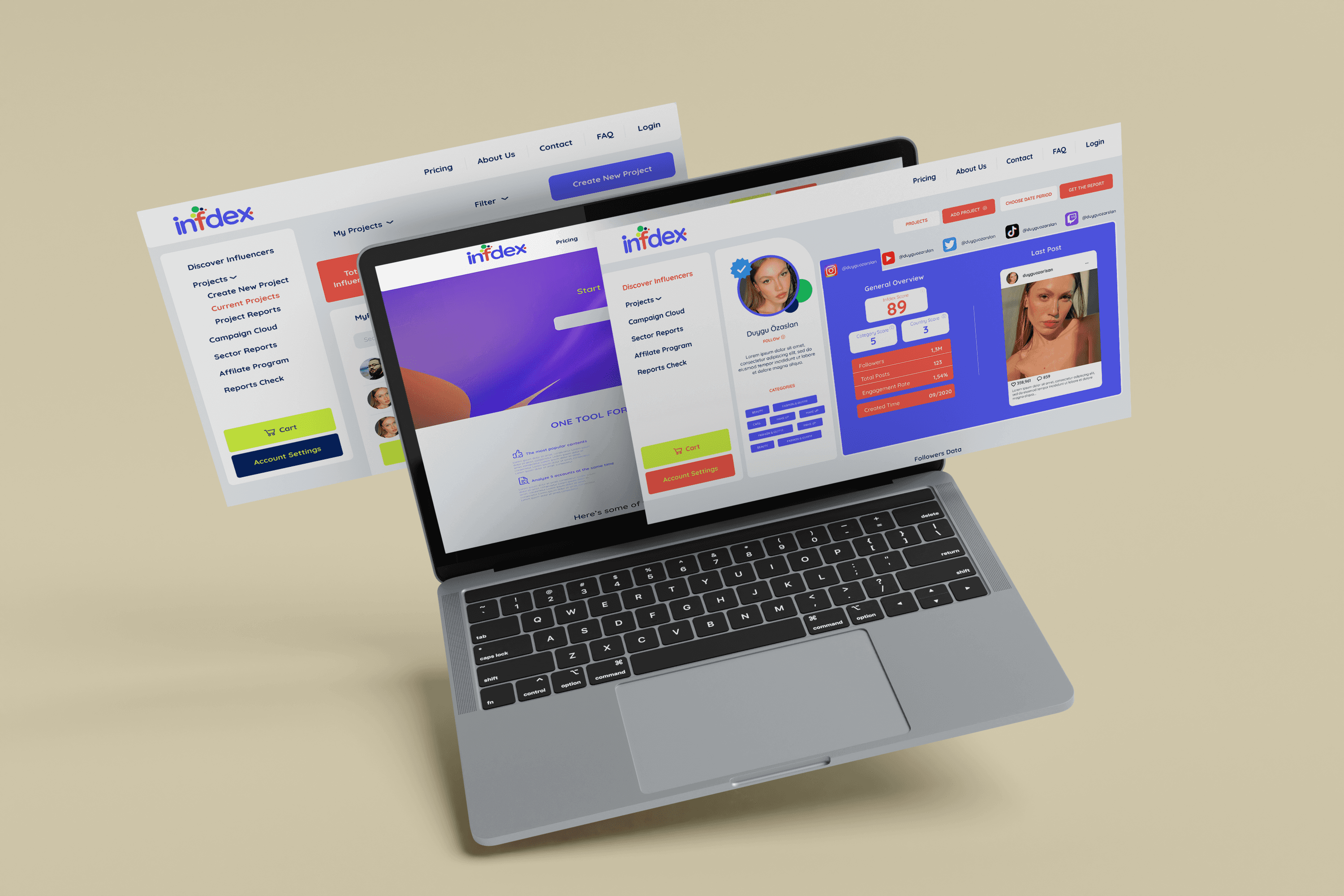
Infdex is an influencer marketing analytics platform that helps brands discover, evaluate, and manage influencer collaborations in one unified system.
This project focused on simplifying complex workflows, improving data clarity, and enabling faster, more confident decision-making for marketing teams.


Role
Role
Role
UX Designer
Duration
Duration
Duration
4 months
Industry
Industry
Industry
Influencer Marketing
My Contribution
My Contribution
My Contribution
Conducted competitive benchmarking by analysing platforms such as HypeAuditor and other industry tools.
Supported user research through surveys and secondary research.
Designed user flows, wireframes, and interactive prototypes in Figma.
Prepared research insights and design rationale to support design reviews and decision-making.
Assisted with usability testing and documented feedback to inform design iterations.
Problem
Marketing and growth teams struggled to efficiently evaluate influencers due to complex dashboards, unclear visual hierarchy, and poorly prioritised data.
As a result, comparing creators took longer than necessary, key insights were easy to miss, and decision-making often felt overwhelming.
Objectives
Enables users to discover, analyse, and manage influencer collaborations and data in one seamless environment, turning what used to be a fragmented experience into a single, clear workflow.
Solutions
Simplified influencer discovery, collaboration, and campaign management.
Designed Multi-Platform Analysis to let users view and compare a single influencer’s performance across multiple social platforms.
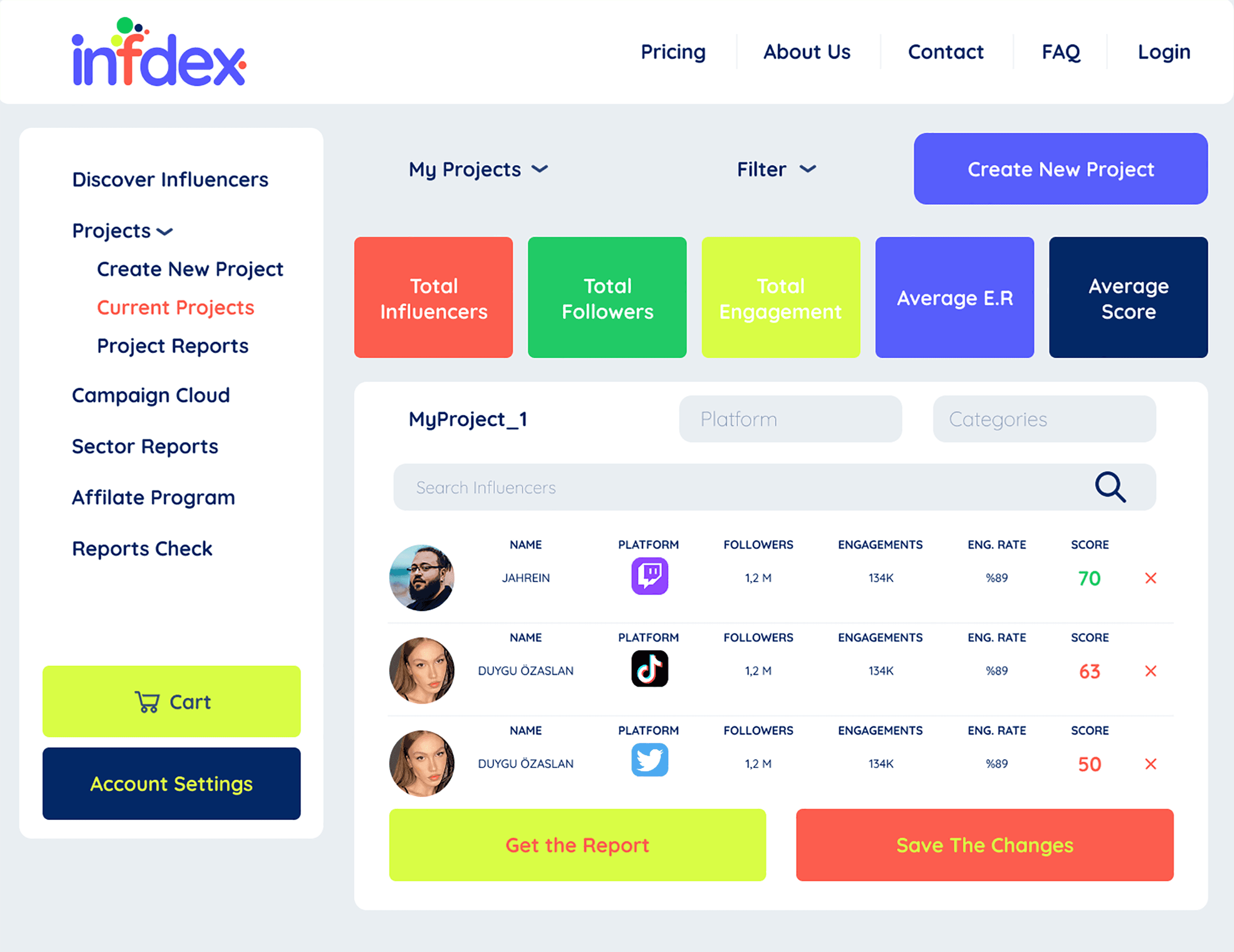
Advanced Current Projects dashboard to help users manage ongoing campaigns.
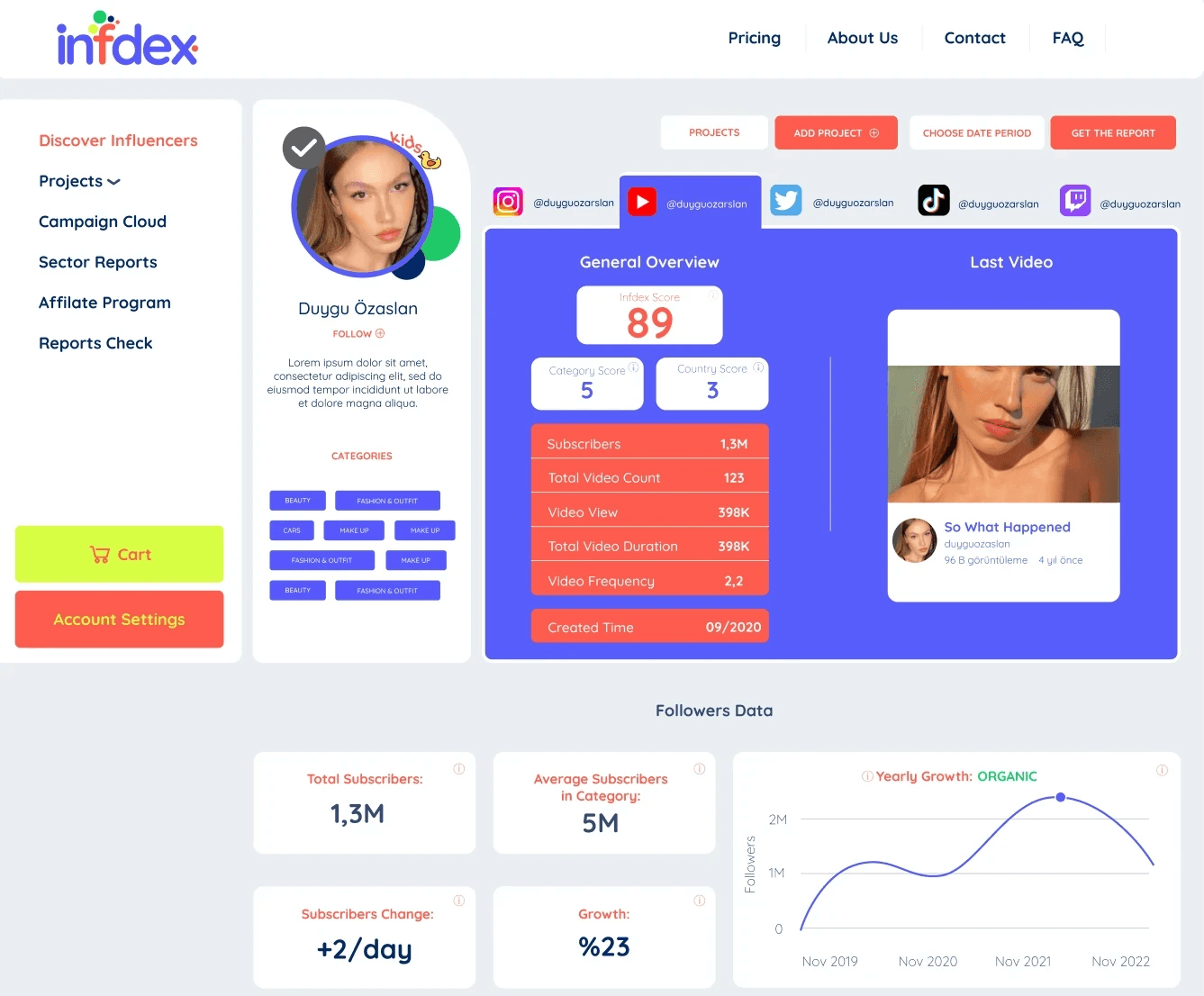
Influencer Analytics Page


Current Projects Dashboard


Influencer Multi-Platform Analysis


Influencer Analytics Page


Current Projects Dashboard


Influencer Multi-Platform Analysis


Current Projects Dashboard

Influencer Multi-Platform Analysis

Current Projects Dashboard

The Impact
Task Success
35%
Completion Time
+40%
User Satisfaction
8.7/10
The Impact
Task Success
35%
Completion Time
+40%
User Satisfaction
8.7/10
Discovery
I wanted to deeply understand how marketers experience influencer marketing platforms in their daily work, where they struggle, what slows them down, and what they wish worked better. To build a deep and realistic understanding, I combined competitive benchmarking with user interviews, allowing me to explore both market patterns and real user behaviour.
Competitive Benchmarking
I analysed leading influencer marketing platforms including HypeAuditor, Upfluence, and AspireIQ to understand how they structure workflows, present data, and support collaboration.
What I Observed
Across platforms, a consistent pattern emerged.
Most tools relied heavily on dense dashboards packed with metrics, assuming that more data automatically equals better insights. In reality, this often created cognitive overload, making it difficult for users to extract what truly mattered.
Workflows were frequently fragmented. Strong analytics tools lacked collaboration features, while collaboration-focused platforms provided shallow reporting. As a result, users were forced to switch between multiple tools to complete a single campaign cycle.
Impact on Product Direction
These findings helped define one of Infdex’s core product principle:
-Create a truly end-to-end influencer platform that connects discovery, collaboration, and analytics into one seamless experience.
This principle later guided decisions around information architecture, navigation structure, and end-to-end workflow design.
User Interviews
To step into users’ real-world workflows, I conducted 1:1 interviews with five marketing professionals and social media managers who actively manage influencer campaigns.
What I Explored
• How users discover and evaluate influencers
• How they manage collaborations and campaign progress
• Where frustration, friction, and doubt emerge
• What defines success in influencer campaigns
What I Heard
Several strong themes surfaced consistently.
Users described constant friction when comparing influencers, especially when juggling data across multiple platforms. Many expressed low trust in engagement metrics, feeling unsure whether numbers truly reflected real influence.
Campaign tracking was another major pain point. Managing conversations, deliverables, timelines, and reporting across disconnected tools made the process time-consuming, mentally exhausting, and prone to mistakes.
Most importantly, users didn’t want more data they wanted clear, transparent insights they could confidently act on.
Key Insight
Users were not struggling with marketing strategy, they were struggling with tools that failed to support their thinking and decision-making process.
I wanted to deeply understand how marketers experience influencer marketing platforms in their daily work, where they struggle, what slows them down, and what they wish worked better. To build a deep and realistic understanding, I combined competitive benchmarking with user interviews, allowing me to explore both market patterns and real user behaviour.
Competitive Benchmarking
I analysed leading influencer marketing platforms including HypeAuditor, Upfluence, and AspireIQ to understand how they structure workflows, present data, and support collaboration.
What I Observed
Across platforms, a consistent pattern emerged.
Most tools relied heavily on dense dashboards packed with metrics, assuming that more data automatically equals better insights. In reality, this often created cognitive overload, making it difficult for users to extract what truly mattered.
Workflows were frequently fragmented. Strong analytics tools lacked collaboration features, while collaboration-focused platforms provided shallow reporting. As a result, users were forced to switch between multiple tools to complete a single campaign cycle.
Impact on Product Direction
These findings helped define one of Infdex’s core product principle:
-Create a truly end-to-end influencer platform that connects discovery, collaboration, and analytics into one seamless experience.
This principle later guided decisions around information architecture, navigation structure, and end-to-end workflow design.
User Interviews
To step into users’ real-world workflows, I conducted 1:1 interviews with five marketing professionals and social media managers who actively manage influencer campaigns.
What I Explored
• How users discover and evaluate influencers
• How they manage collaborations and campaign progress
• Where frustration, friction, and doubt emerge
• What defines success in influencer campaigns
What I Heard
Several strong themes surfaced consistently.
Users described constant friction when comparing influencers, especially when juggling data across multiple platforms. Many expressed low trust in engagement metrics, feeling unsure whether numbers truly reflected real influence.
Campaign tracking was another major pain point. Managing conversations, deliverables, timelines, and reporting across disconnected tools made the process time-consuming, mentally exhausting, and prone to mistakes.
Most importantly, users didn’t want more data they wanted clear, transparent insights they could confidently act on.
Key Insight
Users were not struggling with marketing strategy, they were struggling with tools that failed to support their thinking and decision-making process.
I wanted to deeply understand how marketers experience influencer marketing platforms in their daily work, where they struggle, what slows them down, and what they wish worked better. To build a deep and realistic understanding, I combined competitive benchmarking with user interviews, allowing me to explore both market patterns and real user behaviour.
Competitive Benchmarking
I analysed leading influencer marketing platforms including HypeAuditor, Upfluence, and AspireIQ to understand how they structure workflows, present data, and support collaboration.
What I Observed
Across platforms, a consistent pattern emerged.
Most tools relied heavily on dense dashboards packed with metrics, assuming that more data automatically equals better insights. In reality, this often created cognitive overload, making it difficult for users to extract what truly mattered.
Workflows were frequently fragmented. Strong analytics tools lacked collaboration features, while collaboration-focused platforms provided shallow reporting. As a result, users were forced to switch between multiple tools to complete a single campaign cycle.
Impact on Product Direction
These findings helped define one of Infdex’s core product principle:
-Create a truly end-to-end influencer platform that connects discovery, collaboration, and analytics into one seamless experience.
This principle later guided decisions around information architecture, navigation structure, and end-to-end workflow design.
User Interviews
To step into users’ real-world workflows, I conducted 1:1 interviews with five marketing professionals and social media managers who actively manage influencer campaigns.
What I Explored
• How users discover and evaluate influencers
• How they manage collaborations and campaign progress
• Where frustration, friction, and doubt emerge
• What defines success in influencer campaigns
What I Heard
Several strong themes surfaced consistently.
Users described constant friction when comparing influencers, especially when juggling data across multiple platforms. Many expressed low trust in engagement metrics, feeling unsure whether numbers truly reflected real influence.
Campaign tracking was another major pain point. Managing conversations, deliverables, timelines, and reporting across disconnected tools made the process time-consuming, mentally exhausting, and prone to mistakes.
Most importantly, users didn’t want more data they wanted clear, transparent insights they could confidently act on.
Key Insight
Users were not struggling with marketing strategy, they were struggling with tools that failed to support their thinking and decision-making process.
Insights
After collecting and presenting my research findings, I moved on to the analysis phase to make sense of the data and translate insights into actionable design opportunities.
This step focused on understanding how users interact with influencer tools, identifying where friction occurs, and defining how Infdex could create a smoother experience.
Affinity Diagramming
I began by organising all research insights including interview notes and competitive findings into an affinity diagram.
This process helped surface recurring patterns, shared frustrations, and behavioural trends, allowing me to cluster related insights and uncover deeper problem themes.
Key Themes Identified
• Overwhelming data:
Users felt frustrated by dense dashboards and excessive metrics that obscured key insights.
• Fragmented workflows:
Discovery, collaboration, and analytics lived in disconnected tools, increasing mental load and friction.
• Low trust in data:
Many users questioned the credibility and transparency of engagement metrics.
• Strong desire for efficiency:
Marketers wanted a single, continuous workflow from discovery to reporting without platform switching.
Customer Journey Mapping
Next, I created a Customer Journey Map to visualise how marketing professionals currently navigate the influencer marketing process from discovering influencers to evaluating campaign results.
This mapping process helped identify pain points, emotional highs and lows, and opportunities for improvement across the journey.
Key Insights
Users spent the largest amount of time and energy during discovery, often switching between multiple platforms.
The transition from influencer selection → collaboration → campaign tracking felt disjointed and confusing.
Most platforms lacked clear data storytelling, leaving users uncertain about performance and ROI.
After collecting and presenting my research findings, I moved on to the analysis phase to make sense of the data and translate insights into actionable design opportunities.
This step focused on understanding how users interact with influencer tools, identifying where friction occurs, and defining how Infdex could create a smoother experience.
Affinity Diagramming
I began by organising all research insights including interview notes and competitive findings into an affinity diagram.
This process helped surface recurring patterns, shared frustrations, and behavioural trends, allowing me to cluster related insights and uncover deeper problem themes.
Key Themes Identified
• Overwhelming data:
Users felt frustrated by dense dashboards and excessive metrics that obscured key insights.
• Fragmented workflows:
Discovery, collaboration, and analytics lived in disconnected tools, increasing mental load and friction.
• Low trust in data:
Many users questioned the credibility and transparency of engagement metrics.
• Strong desire for efficiency:
Marketers wanted a single, continuous workflow from discovery to reporting without platform switching.
Customer Journey Mapping
Next, I created a Customer Journey Map to visualise how marketing professionals currently navigate the influencer marketing process from discovering influencers to evaluating campaign results.
This mapping process helped identify pain points, emotional highs and lows, and opportunities for improvement across the journey.
Key Insights
Users spent the largest amount of time and energy during discovery, often switching between multiple platforms.
The transition from influencer selection → collaboration → campaign tracking felt disjointed and confusing.
Most platforms lacked clear data storytelling, leaving users uncertain about performance and ROI.
After collecting and presenting my research findings, I moved on to the analysis phase to make sense of the data and translate insights into actionable design opportunities.
This step focused on understanding how users interact with influencer tools, identifying where friction occurs, and defining how Infdex could create a smoother experience.
Affinity Diagramming
I began by organising all research insights including interview notes and competitive findings into an affinity diagram.
This process helped surface recurring patterns, shared frustrations, and behavioural trends, allowing me to cluster related insights and uncover deeper problem themes.
Key Themes Identified
• Overwhelming data:
Users felt frustrated by dense dashboards and excessive metrics that obscured key insights.
• Fragmented workflows:
Discovery, collaboration, and analytics lived in disconnected tools, increasing mental load and friction.
• Low trust in data:
Many users questioned the credibility and transparency of engagement metrics.
• Strong desire for efficiency:
Marketers wanted a single, continuous workflow from discovery to reporting without platform switching.
Customer Journey Mapping
Next, I created a Customer Journey Map to visualise how marketing professionals currently navigate the influencer marketing process from discovering influencers to evaluating campaign results.
This mapping process helped identify pain points, emotional highs and lows, and opportunities for improvement across the journey.
Key Insights
Users spent the largest amount of time and energy during discovery, often switching between multiple platforms.
The transition from influencer selection → collaboration → campaign tracking felt disjointed and confusing.
Most platforms lacked clear data storytelling, leaving users uncertain about performance and ROI.
Results
With clear research insights and a defined experience strategy, I moved into the design phase transforming user needs into structured flows, intuitive interactions, and scalable interface solutions.This step focused on understanding how users interact with influencer tools, identifying where friction occurs, and defining how Infdex could create a smoother experience.
User Flow Diagram
I began by mapping detailed user flow diagrams to define how marketers would navigate the platform from influencer discovery to collaboration management and performance analysis.
The primary objective was to eliminate friction, reduce unnecessary steps, and create logical continuity across the experience.
Key Outcomes
• Designed simplified end-to-end journeys for the three core product pillars:
Discover · Manage · Analyse
• Reduced unnecessary transitions between influencer selection → campaign setup → reporting
• Established a clear information architecture that ensured every screen connected logically, supporting a smooth and predictable experience
These flows became the backbone of navigation structure, layout decisions, and interaction models across the platform.
Interaction Design
Once the core flows were validated, I focused on interaction design, defining how users would engage with the interface through movement, feedback, transitions, and micro-interactions.
Working alongside the senior designers, I explored ways to make the experience not only functional but also intuitive and engaging.
Key Insights
Users spent the largest amount of time and energy during discovery, often switching between multiple platforms.
The transition from influencer selection → collaboration → campaign tracking felt disjointed and confusing.
Most platforms lacked clear data storytelling, leaving users uncertain about performance and ROI.
Prototyping
At this stage, I worked closely with senior designers to develop high fidelity prototypes in Figma.
My primary responsibility was ensuring UI consistency, responsive behaviour, and interaction logic.
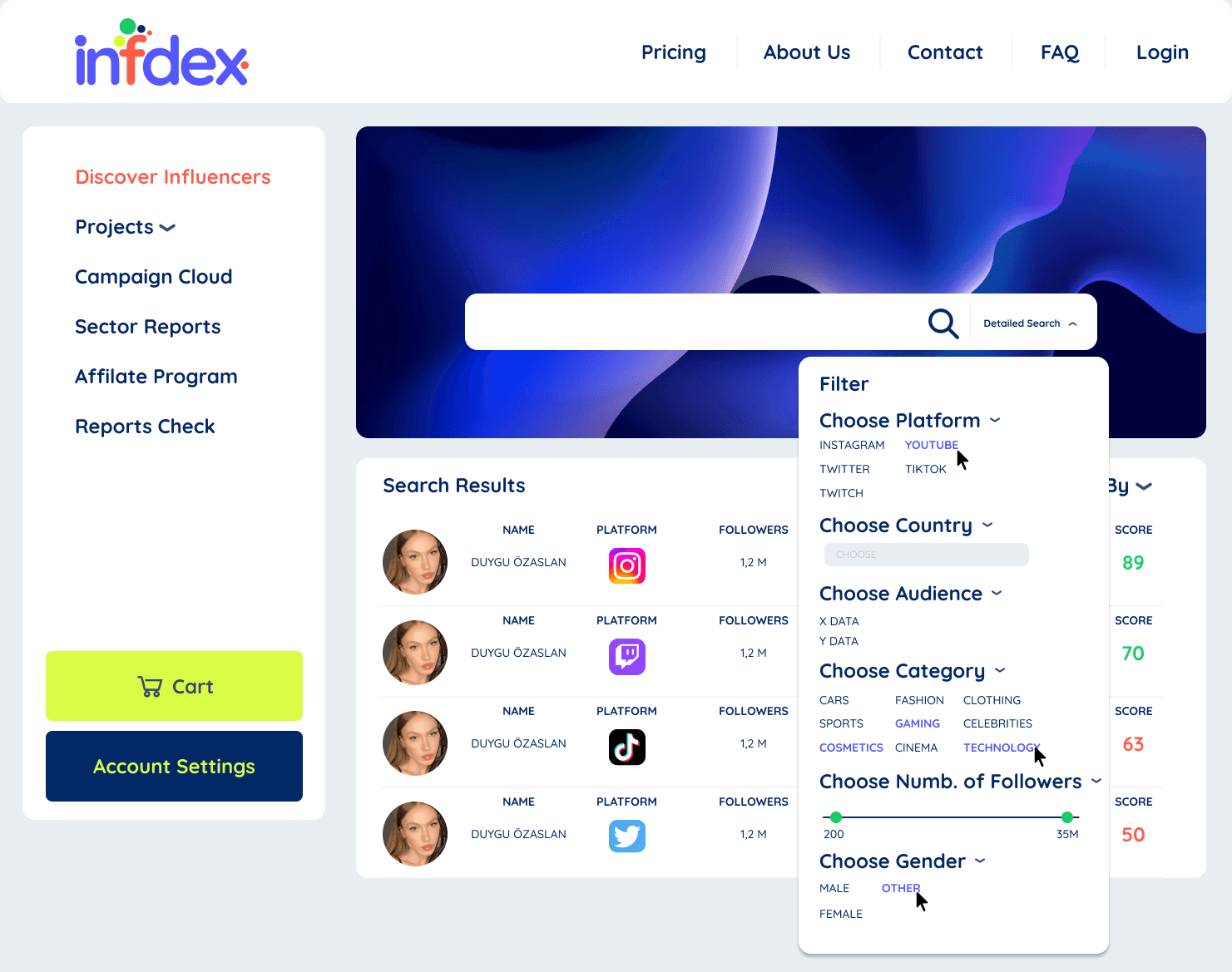
The Discover page enables users to find influencers quickly through flexible filtering options.
I designed the multi level dropdown filter, making it easy to refine searches by platform, audience, category, and gender.
Collaborative Focus
Senior designers refined information hierarchy and visual consistency.
I built the interaction logic for filters and dropdown states.
With clear research insights and a defined experience strategy, I moved into the design phase transforming user needs into structured flows, intuitive interactions, and scalable interface solutions.This step focused on understanding how users interact with influencer tools, identifying where friction occurs, and defining how Infdex could create a smoother experience.
User Flow Diagram
I began by mapping detailed user flow diagrams to define how marketers would navigate the platform from influencer discovery to collaboration management and performance analysis.
The primary objective was to eliminate friction, reduce unnecessary steps, and create logical continuity across the experience.
Key Outcomes
• Designed simplified end-to-end journeys for the three core product pillars:
Discover · Manage · Analyse
• Reduced unnecessary transitions between influencer selection → campaign setup → reporting
• Established a clear information architecture that ensured every screen connected logically, supporting a smooth and predictable experience
These flows became the backbone of navigation structure, layout decisions, and interaction models across the platform.
Interaction Design
Once the core flows were validated, I focused on interaction design, defining how users would engage with the interface through movement, feedback, transitions, and micro-interactions.
Working alongside the senior designers, I explored ways to make the experience not only functional but also intuitive and engaging.
Key Insights
Users spent the largest amount of time and energy during discovery, often switching between multiple platforms.
The transition from influencer selection → collaboration → campaign tracking felt disjointed and confusing.
Most platforms lacked clear data storytelling, leaving users uncertain about performance and ROI.
Prototyping
At this stage, I worked closely with senior designers to develop high fidelity prototypes in Figma.
My primary responsibility was ensuring UI consistency, responsive behaviour, and interaction logic.
The Discover page enables users to find influencers quickly through flexible filtering options.
I designed the multi level dropdown filter, making it easy to refine searches by platform, audience, category, and gender.
Collaborative Focus
Senior designers refined information hierarchy and visual consistency.
I built the interaction logic for filters and dropdown states.
With clear research insights and a defined experience strategy, I moved into the design phase transforming user needs into structured flows, intuitive interactions, and scalable interface solutions.This step focused on understanding how users interact with influencer tools, identifying where friction occurs, and defining how Infdex could create a smoother experience.
User Flow Diagram
I began by mapping detailed user flow diagrams to define how marketers would navigate the platform from influencer discovery to collaboration management and performance analysis.
The primary objective was to eliminate friction, reduce unnecessary steps, and create logical continuity across the experience.
Key Outcomes
• Designed simplified end-to-end journeys for the three core product pillars:
Discover · Manage · Analyse
• Reduced unnecessary transitions between influencer selection → campaign setup → reporting
• Established a clear information architecture that ensured every screen connected logically, supporting a smooth and predictable experience
These flows became the backbone of navigation structure, layout decisions, and interaction models across the platform.
Interaction Design
Once the core flows were validated, I focused on interaction design, defining how users would engage with the interface through movement, feedback, transitions, and micro-interactions.
Working alongside the senior designers, I explored ways to make the experience not only functional but also intuitive and engaging.
Key Insights
Users spent the largest amount of time and energy during discovery, often switching between multiple platforms.
The transition from influencer selection → collaboration → campaign tracking felt disjointed and confusing.
Most platforms lacked clear data storytelling, leaving users uncertain about performance and ROI.
Prototyping
At this stage, I worked closely with senior designers to develop high fidelity prototypes in Figma.
My primary responsibility was ensuring UI consistency, responsive behaviour, and interaction logic.
The Discover page enables users to find influencers quickly through flexible filtering options.
I designed the multi level dropdown filter, making it easy to refine searches by platform, audience, category, and gender.
Collaborative Focus
Senior designers refined information hierarchy and visual consistency.
I built the interaction logic for filters and dropdown states.
Website


Reflections
Designing Infdex was a defining experience in my early UX career.
Working closely with senior designers taught me how collaboration, critique, and iteration drive stronger design outcomes. I learned to balance user empathy with business constraints, defend design decisions with research, and confidently iterate based on feedback.
More Projects
ORIN
Designing AI communication for high-pressure hospitality teams
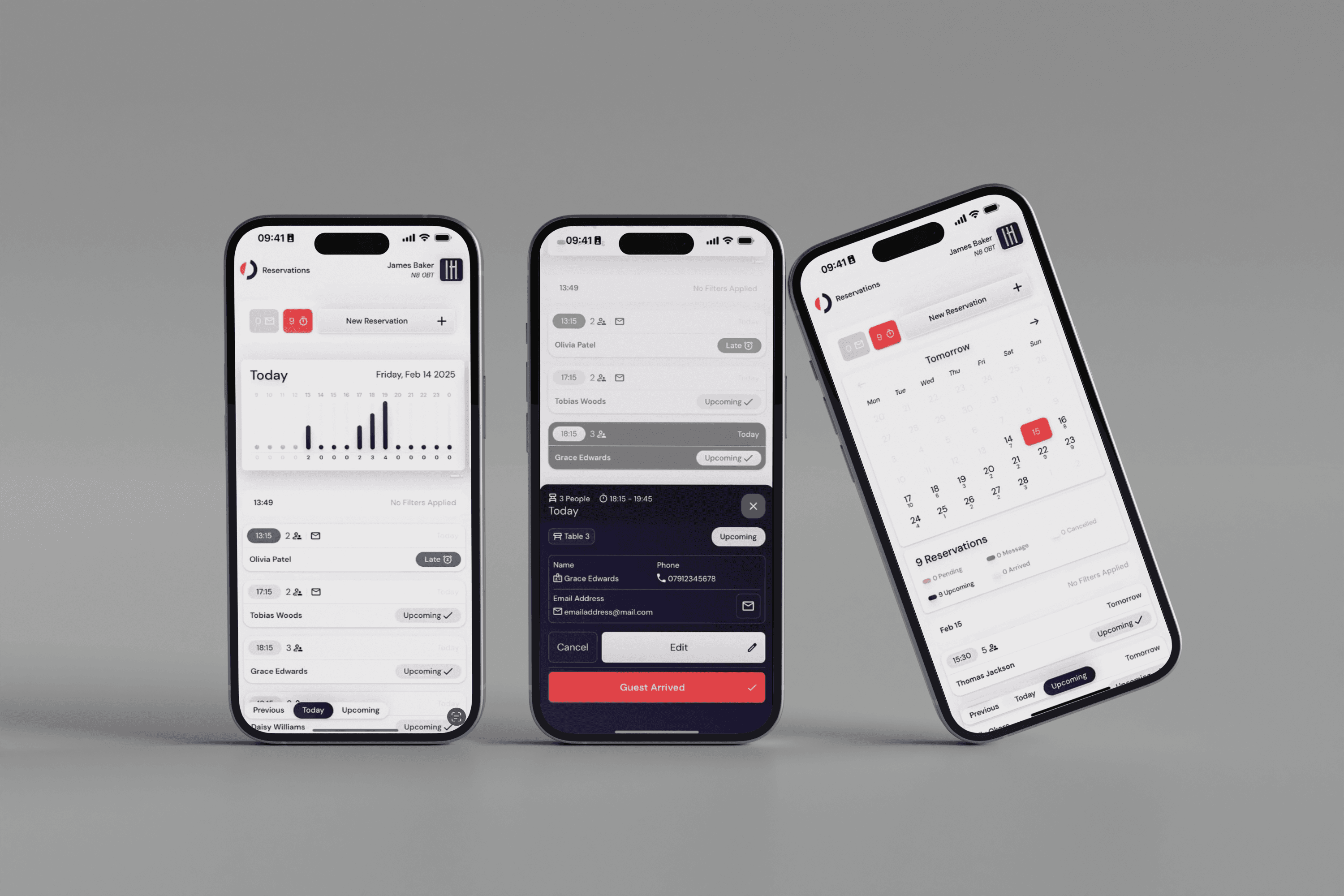
Helping restaurant managers overcome language barriers and save time by automating guest replies directly within the app.
See the project

Time Saving
40%
User Satisfaction
8.5/10
ORIN
Designing AI communication for high-pressure hospitality teams
Helping restaurant managers overcome language barriers and save time by automating guest replies directly within the app.
See the project

Time Saving
40%
User Satisfaction
8.5/10
ORIN
Designing AI communication for high-pressure hospitality teams
Helping restaurant managers overcome language barriers and save time by automating guest replies directly within the app.
See the project

Time Saving
40%
User Satisfaction
8.5/10
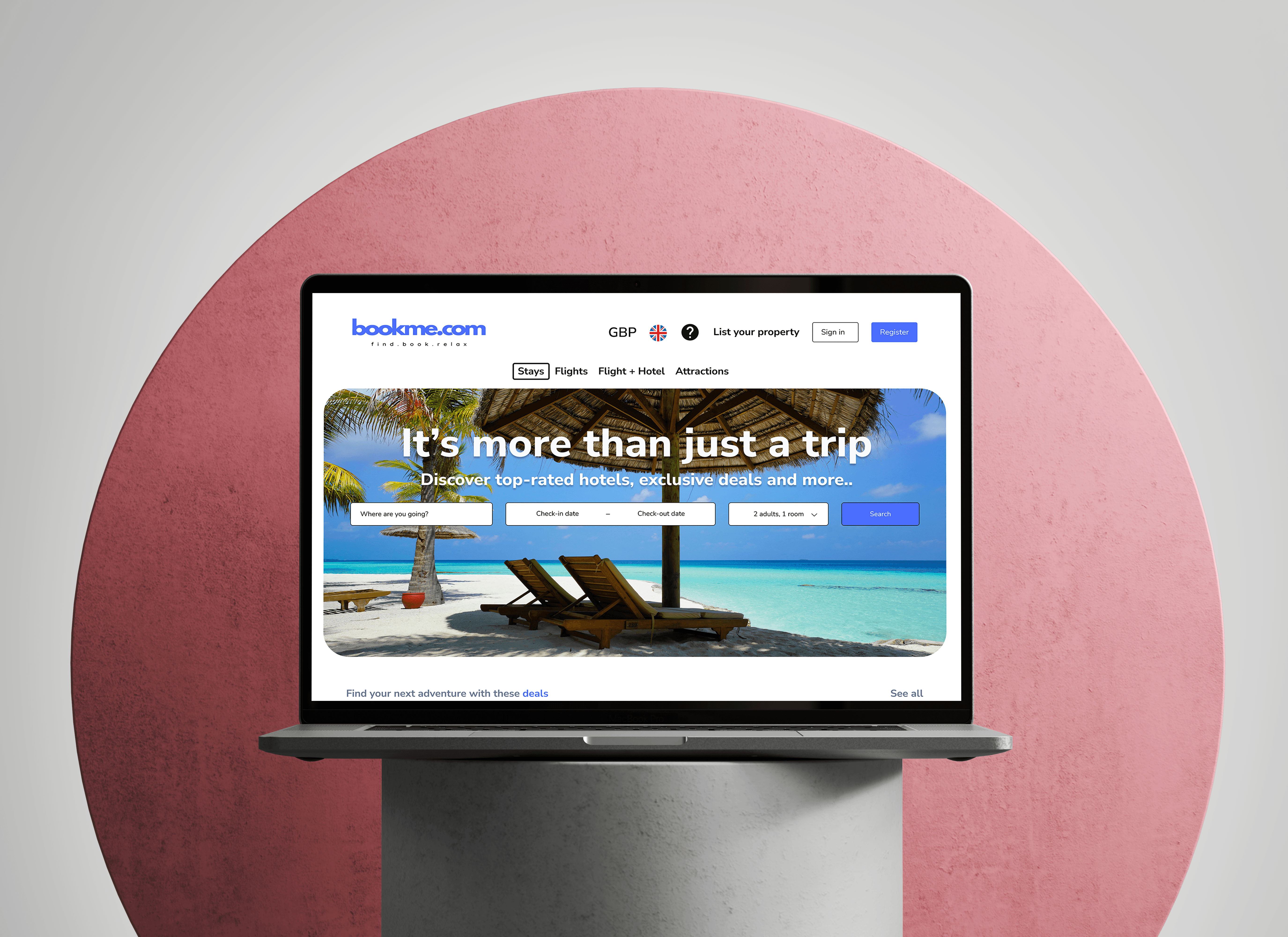
BOOKME.COM
Optimising the end-to-end hotel discovery and booking experience for travellers
A hotel booking website focused on helping users search, compare, and choose the right stay with clarity and ease.
See the project

Task Success
88%
Faster booking
40%
ORIN
Designing AI communication for high-pressure hospitality teams
Helping restaurant managers overcome language barriers and save time by automating guest replies directly within the app.
See the project

Time Saving
40%
User Satisfaction
8.5/10
BOOKME.COM
Optimising the end-to-end hotel discovery and booking experience for travellers
A hotel booking website focused on helping users search, compare, and choose the right stay with clarity and ease.
See the project

Task Success
88%
Faster booking
40%